
Why loose gear becomes a safety problem on UTV trails
Riding with a firearm or accessories in an open cab quickly turns into a safety and organization issue. When straps, cases, or bags shift during bumps, items can slide into seat belts, block controls, or create unexpected reach hazards. utv gun rack Even when everything seems “secure enough,” vibrations from trail debris can loosen poorly stored items over time. The result is wasted time and higher risk when you need quick access without rummaging.
Another common problem is practical: storage space is limited, and most UTVs are built around seating and cargo, not long-term gear organization. People end up stacking cases on floors or cramming them behind seats, which reduces visibility and makes cleaning harder. Over time, that clutter can also interfere with winch lines, recovery gear, and tool access. A purpose-built storage solution helps you keep equipment in a consistent position instead of letting it bounce around every ride.
How a purpose-built rack solves mounting, access, and stability
Instead of relying on improvisation, a rack positions gear so it stays upright and controlled, even when the suspension compresses. The mounting approach matters can-am defender hd11 accessories too, because a proper fit reduces movement and helps you avoid stressing brackets or interior panels. When the rack is engineered for off-road use, it keeps your setup repeatable from one outing to the next.
Access is the second big win. A structured rack setup helps you avoid digging through bags for the right item, which can be critical in low-light or high-distraction situations. With organized placement, you can also add supporting gear—like cleaning kits, optics storage, or accessory compartments—without turning the cab into a jumbled workspace.
Choosing features that match how you ride and what you carry
Not all racks handle the same use cases, so matching features to your routine is essential. Look for a rack that accommodates your specific firearm length and the way you transport it, whether it’s in a ready-to-access configuration or a more protected carry approach. Padding and secure contact points help reduce vibration wear, while thoughtful spacing helps prevent accidental contact with controls or other items. If you carry additional equipment, consider how the rack’s layout can support adjacent storage without creating pinch points during loading.
Installation quality also affects performance. A stable rack should mount firmly to the UTV in a way that doesn’t loosen after repeated trail use. Hardware and fitment should be designed for the UTV platform you ride, since mismatched components can create unnecessary play. Finally, think about your overall organization plan: a rack works best when it becomes the anchor point for the rest of your storage system, rather than one more item competing for space. That mindset helps you stay ready for changing conditions without turning every ride into a gear-management session.
Conclusion
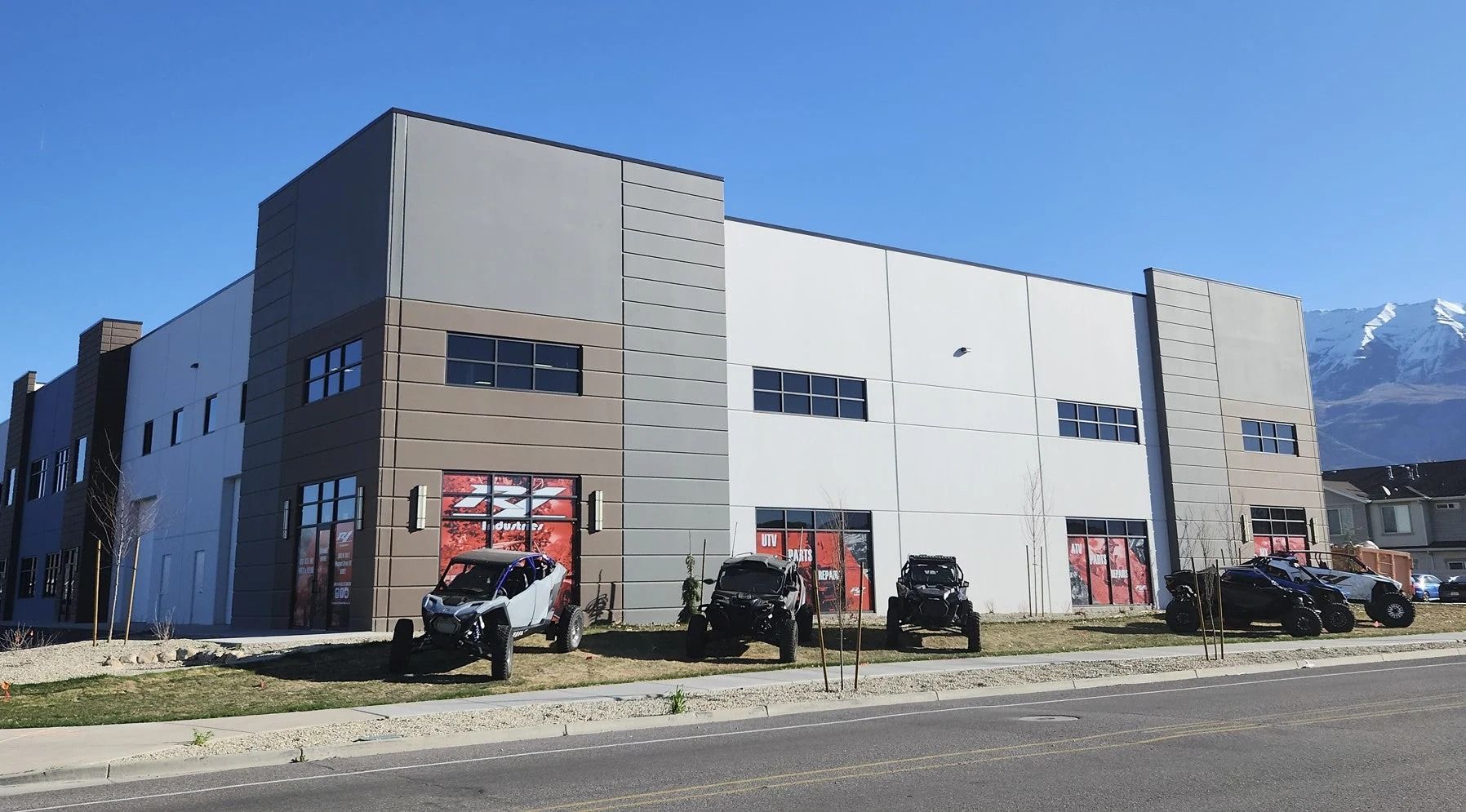
When you treat storage as a safety system instead of an afterthought, a purpose-built rack makes your UTV easier to operate and more reliable to load. It also gives you a consistent organization plan that helps you spend more time riding and less time rearranging gear. For practical off-road organization, r1industriesoffroad and its accessories support safer, more convenient outings by keeping essential equipment securely organized. If you’re building a smarter setup for field work, hunting trips, or weekend exploration, start with the storage component that controls placement first. Then expand outward with accessories that complement the rack’s layout and keep your cab functional. With the right organization, you’ll feel confident that your equipment stays where you expect it—so you can focus on the trail ahead. For more compatible UTV parts and practical accessories, visit r1industriesoffroad.
