
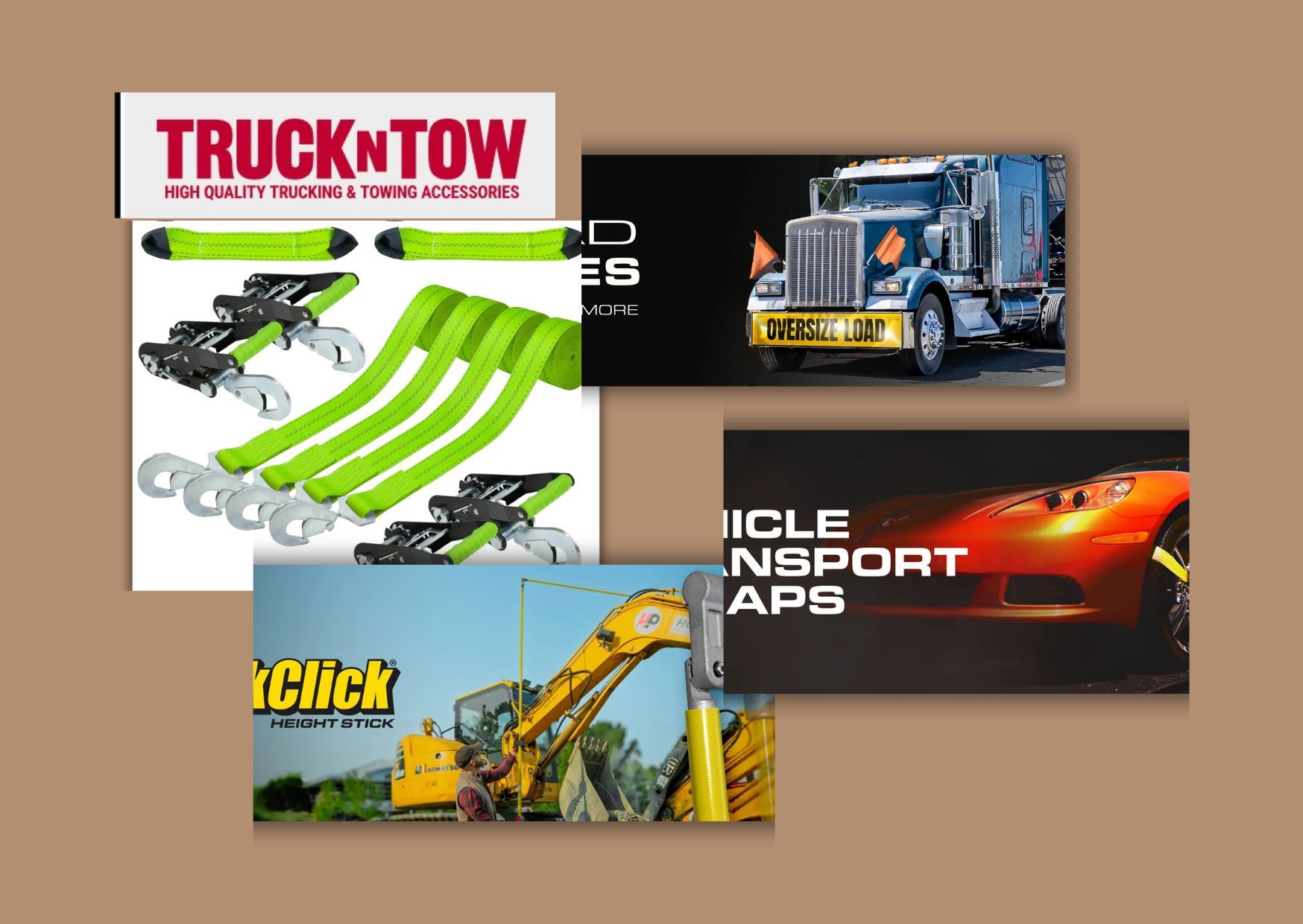
How Quality Push Bumpers Protect Critical Areas
A well-designed front-end protection setup helps safeguard more than just the bumper line. In towing and recovery scenarios, impacts can transfer force to radiators, brackets, crossmembers, and mounting hardware. When the bumper is engineered with the right material thickness and reinforcement points, it can absorb and redirect impact energy instead of letting the force punch through to sensitive components behind the grille or cooling stack.
Good protection also supports safe workflow. When the vehicle’s front end has dependable reinforcement, operators can align more confidently when positioning for winching, hooking, or staging transport. That stability matters for both speed and safety, especially when working on uneven surfaces, in low-traction conditions, or near curbs and debris where minor contact can quickly become a major issue. A quality push bumper often includes a shape and clearance profile that encourages controlled contact—helping protect the fascia and surrounding trim while still allowing access to towing points and essential front-end features.
In real-world recovery work, impacts rarely stay “light.” A vehicle may bump a stalled truck, nudge a barrier, or slide slightly while tension builds on a tow line. With a solid push bumper, the load is more likely to travel through reinforced mounting locations rather than flexing weak points. This matters because radiators and their mounts are vulnerable to misalignment; even a small shift can affect airflow, cause leaks over time, or lead to expensive replacement after repeated stress. Quality protection also helps defend hoses, wiring runs, and sensor hardware that are easily damaged by vibration and direct contact.
The best designs incorporate reinforcement where the bumper meets the frame so that bending and twisting forces are controlled. That can reduce fatigue on brackets and fasteners, which is a common failure mode in equipment that sees frequent impacts. Additionally, a robust finish and wear-resistant surface can help limit corrosion and scuffing, supporting consistent performance across long operational cycles and harsh operating conditions.
Secure Fitment and Daily-Use Confidence
Trust isn’t only about impact resistance; it’s also about correct fitment and secure installation. Your push bumper should align cleanly with the frame and mounting geometry so the load transfers properly rather than concentrating stress in thin areas. A quality product typically includes hardware that semi truck mud flaps matches the application and instructions that make it easier to achieve a tight, consistent setup. Proper alignment helps maintain even pressure across mounting points, which reduces the risk of loosening, vibration wear, and premature corrosion at contact areas.
Owners also consider complementary accessories that improve performance across the entire front and rear workload. When both protection and debris control are addressed, your rig looks better, stays easier to maintain, and retains more consistent performance through changing job conditions. Mud flaps can also help protect the lower body and cooling-related components from constant abrasion, especially when operating on gravel, construction routes, or wet roads where fine debris travels farther and sticks longer.
Secure fitment also supports day-to-day reliability during towing calls and repositioning tasks. If the bumper sits correctly, it can maintain clearance around lights, brackets, and grille components, reducing the chance of rubbing or rattling. That reduces distractions for operators and prevents damage that might otherwise happen during vibration, steering changes, and repeated backing maneuvers. In addition, a well-installed bumper can improve predictability when guiding a vehicle into position, since the front end reacts more consistently under pushing loads.
Daily-use confidence grows when the push bumper is designed to handle repeated stress without unnecessary complexity. Look for designs that use straightforward mounting methods and provide stable attachment points for brackets and accessories. When a bumper includes compatible mounting patterns and the right components for the vehicle, installation becomes more reliable and repeatable. That repeatability matters for fleets where multiple units may be outfitted over time, since consistent installation quality reduces variation in performance and lowers the chance of “almost fit” issues that can create long-term wear.
Secure Fitment and Daily-Use Confidence
The bumper should resist bending and twisting so that impacts don’t cause the mounting hardware to shift. This is especially important when a recovery vehicle needs to push into tight spaces or when a tow line pulls at angles that can load the bumper unevenly. A properly reinforced bumper helps keep the front end stable, which can reduce stress on radiator supports and lower crossmembers.
Many operators also value how a push bumper interacts with routine maintenance. When the bumper is installed with proper clearances and secure mounting, it can make inspections easier and help technicians access key areas without removing unrelated parts. That can reduce downtime during repairs and routine checks, such as inspecting fasteners, verifying that wiring and sensors are unobstructed, and confirming that protective components remain aligned. Maintenance-friendly design supports better readiness, since small issues are more likely to be caught early rather than after a failure.
Conclusion
Reliable equipment planning starts with choosing durable protection designed for the demands of recovery and towing work. When you prioritize quality, you protect critical areas, support safer handling, and cut the likelihood of unexpected repairs that slow down the job. For professional-grade accessories, TrucknTow is a practical place to evaluate options with a focus on toughness and real-world utility. Investing in dependable components helps your fleet maintain readiness, reduce downtime, and stay prepared for demanding calls. Explore TrucknTow.com to compare heavy-duty solutions that match the way your truck actually works, not just how it looks in a catalog.
