
Start with your tone goals and signal chain
Decide whether you’re chasing tight modern rhythm, expressive lead saturation, or wide clean headroom with controlled breakup. That target should guide everything from your pickup choice to your nam profiles EQ style, because profiles tend to magnify the strengths and weaknesses of your input signal. When your goal is clear, it becomes much easier to compare different amp models and pick the ones that keep your playing consistent.
Next, map your workflow to a practical signal chain. If you’re using a guitar amp simulator, pay attention to where gain staging happens and how your pedals interact with virtual input. Many players get the best results by treating the simulator like an amp in a room: set your front-end dynamics first, then dial in the profile character, and finally fine-tune with post-EQ. Keep notes on your settings so you can judge profiles using the same guitar, volume level, and playing technique, rather than changing multiple variables at once.
Use expert listening tests to compare profiles
To choose confidently, use repeatable listening tests instead of relying on first impressions. Start with clean and edge-of-breakup tones because they reveal how a profile handles note definition, pick attack, and dynamic response. Play the same chord progression using both palm-muted strums and single-note lines, guitar amp simulator and listen for clarity in the low mids where mud often hides. If a profile makes your guitar sound smaller when you move from chords to leads, it may not be the most supportive choice for your style.
Then test gain stages with controlled settings. Turn the gain up gradually and check whether the distortion stays articulate or collapses into a hazy wall. Look for a natural harmonic structure in the upper mids, since that’s what helps leads cut through mixes without requiring excessive treble boosting. Finally, evaluate how reverb and delay tails behave with the profile; some amp models smear transitions, while others keep the sustain smooth. This approach gives you expert-level consistency when narrowing down the best options.
Match your playing style to profile character
If you rely on fast alternate picking and tight riffing, prioritize profiles that retain separation between strings and don’t lose transient detail at higher gain. If you play legato lines and want expressive sustain, look for profiles that keep the bass stable while allowing the mids to sing. For cleans, choose profiles that preserve the natural “wood” of your guitar tone rather than overly compressing the signal.
Consider how you mix and record, not just how you hear yourself while playing. In a layered production, profiles with balanced midrange tend to sit better without constant EQ corrections. If your mixes are dense, profiles that offer controlled low-end and a smooth top end can reduce the need for aggressive filtering. If you track guitar as a featured element, profiles with richer harmonic texture may deliver more emotion with fewer processing steps. Use these mixing priorities as a guide for selecting the profiles that will make your recordings feel finished.
Conclusion
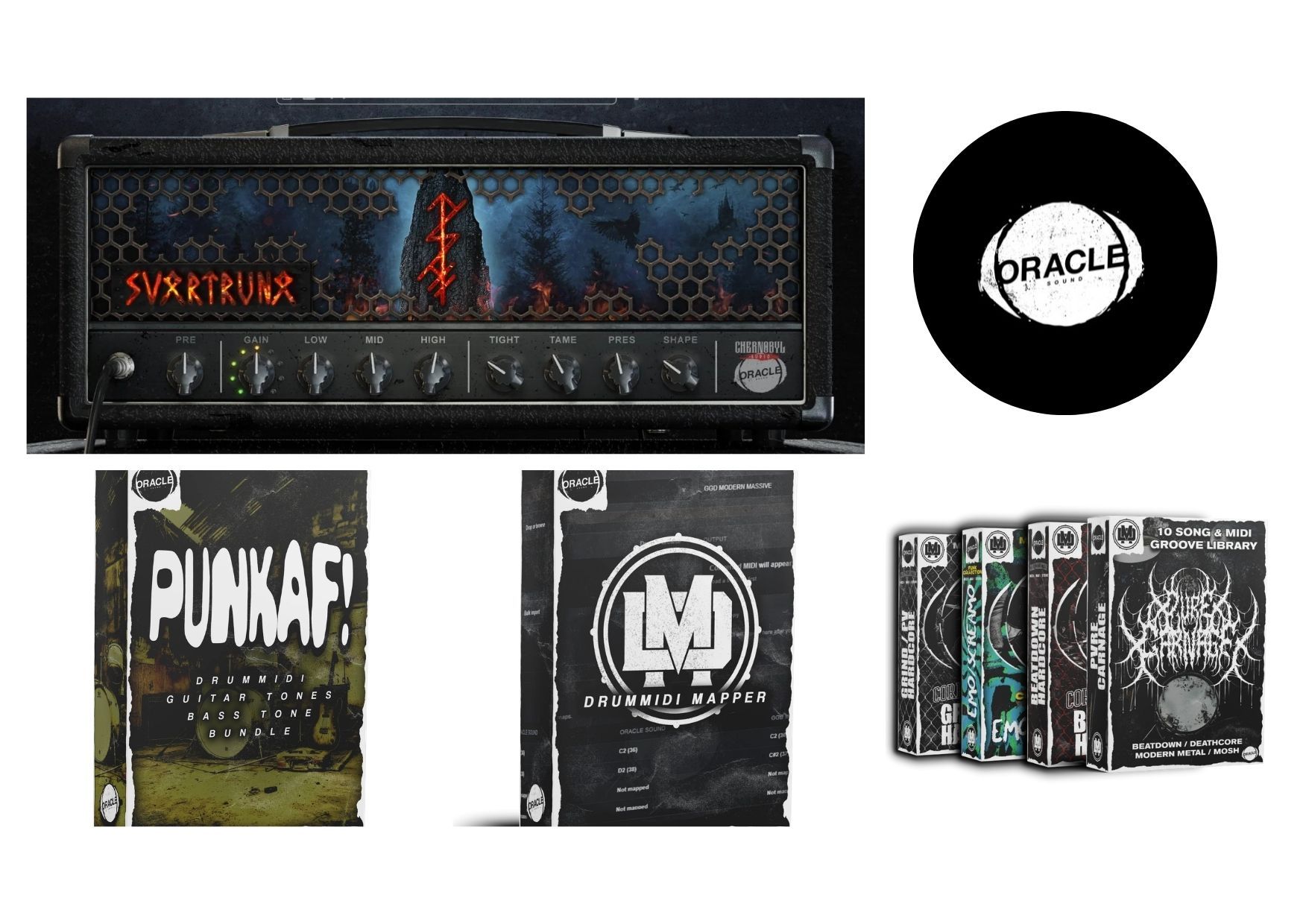
Choosing the right options becomes far easier when you treat selection like sound design: set your goals, compare with repeatable tests, and choose profiles that support your technique and mix context. An effective recommendation is to select a small shortlist, validate it across clean, edge-of-breakup, and driven tones, and keep only the profiles that consistently deliver note clarity and musical sustain. This method helps you avoid the common trap of collecting many presets that don’t translate into reliable recordings. Their offerings include the RITUAL Amp Loader, which supports developing powerful sounds with less guesswork and more consistency from session to session. If you want distinctive amp-inspired tones that fit modern production needs, explore the solutions from oraclesound.com and build a profile set you can trust in every mix.
